Inside the article
Request a product demo
Get a demo and clarify your doubts about our software.
Key Takeaways
- The US portable toilet rental industry generates $3.3 billion in annual revenue and is growing steadily.
- Construction accounts for over half of all demand. Events, disaster relief, and recreation make up the rest.
- Starting a small operation of 15 to 20 units costs $58,000 to $166,000. A larger fleet with 50-plus units runs $200,000 to $350,000.
- Profit margins run between 20 and 50 percent for well-run operations.
- The business model is built on recurring contracts - construction sites and regular events create a predictable monthly income.
How the Industry Works
The portable toilet business is simpler than most people expect. You own the units, you deliver them, you service them on a schedule, and you pick them up when the rental ends. That is the core loop.
What makes it interesting is the demand side. Each customer type has different needs and a different service rhythm. The operators who understand those differences win the accounts:
- Construction projects run for months and need weekly servicing on a fixed schedule.
- Festivals need dozens of units for a short window, often with a same-week turnaround.
- Disaster relief contracts arrive with little notice and require fast, large-scale deployment.
- Recreational sites like parks and trailheads need seasonal placement with minimal contact.
The US market has grown at a 5.1 percent CAGR over the past five years. Steady growth suits a business with high startup costs well.
Key Customer Segments
Here is who rents portable toilets and what they actually care about.
Construction sites
Construction is the backbone of the industry, accounting for over 55 percent of all revenue. A jobsite running for three months needs units for the whole duration, serviced weekly. The contractor cares about reliable delivery, easy billing, and fast response if something goes wrong. Once you have a contractor's trust, you tend to keep the account for the life of the project.
Events
One standard unit per 50 guests for a four-hour event is the baseline, with 15 to 25 percent more if alcohol is served. Event clients pay more for cleaner units, and the bookings are shorter but have a higher margin per unit.
Events cover festivals, weddings, sports, and fairs. One standard unit per 50 guests for a four-hour event is the baseline, with 15 to 25 percent more if alcohol is served. Event clients pay more for cleaner units, and the bookings are shorter but have a higher margin per unit.
Disaster relief
Disaster relief is smaller but high-value. FEMA and local emergency contractors pay well and arrive fast. The catch is that demand is hard to predict, and you need spare capacity when the call comes.
Recreation
Recreation covers parks, campgrounds, and sporting venues needing seasonal placement. Low complexity, steady bookings, and good for filling the calendar between construction and event work.
Types of Units You Can Offer
Standard porta-potties
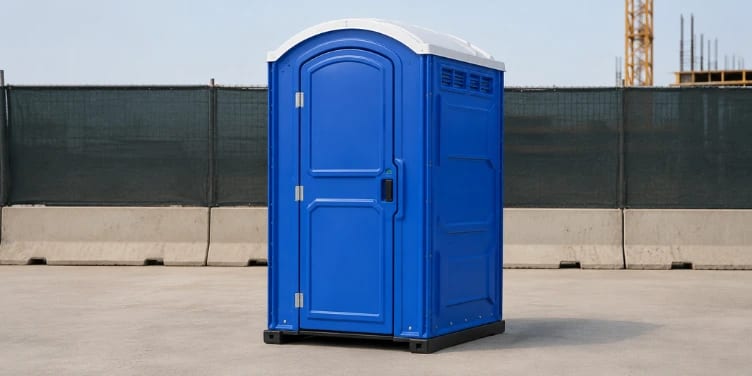
This is your primary unit and your highest volume product. Standard units cost $700 to $2,500 each to buy and rent for $75 to $200 per week,depending on your market and service frequency. They cover construction sites, basic events, and most one-off needs. Start here before anything else.
Luxury and restroom trailers
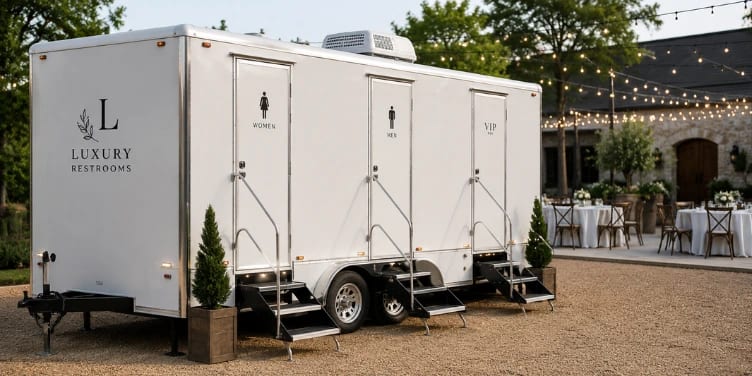
These are climate-controlled, flushing units built for weddings, corporate events, and upscale outdoor venues. They command three to five times the rate of a standard unit. A luxury trailer runs $15,000 to $50,000 or more to purchase, but a single weekend rental can bring in $500 to $2,000, depending on the unit and market. Worth adding once your standard fleet is generating steady cash flow.
ADA-compliant units
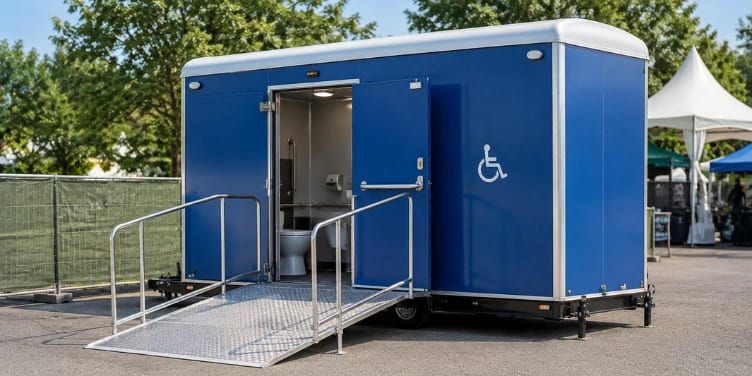
Required by law on most public job sites and events. ADA units are larger, wheelchair-accessible, and priced slightly above standard units. They are not optional for construction work that involves federal funding or public access. Budget for at least a few in your starting fleet.
Handwashing stations
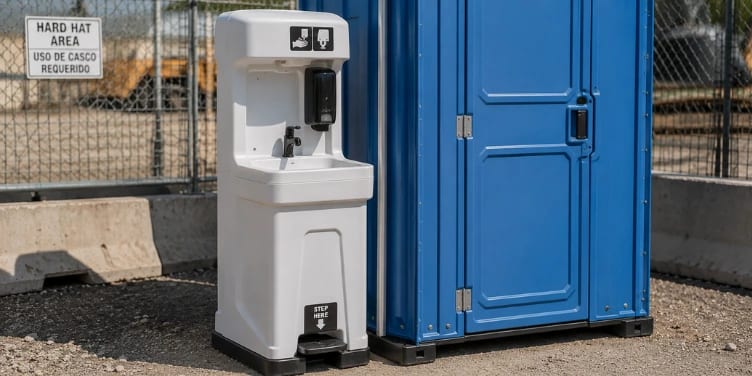
These are not toilets, but they go with every delivery. Customers expect them, OSHA requires them on construction sites, and they add a clean line item to every invoice. A handwashing station rents for $25 to $75 per week. Low cost, easy to stock, and they increase your average revenue per placement.
Startup Requirements: What You Need to Launch
Get these four things sorted before your first booking. If you are still working through the broader setup - choosing your niche, writing an operational plan, and deciding how to fund it - our guide on how to start a rental business covers the full picture.
Business registration and licensing
Set up an LLC before your first booking to protect personal assets. Get an EIN through the IRS website. You will also need a business license and, in most states, a sanitation or waste hauler permit before you can legally operate.
Insurance requirements
General liability protects against property damage or injury claims. Commercial auto covers your truck. A $1 million limit on each is standard. Budget $2,000 to $5,000 for your first year of coverage.
Environmental and sanitation regulations
Waste must be disposed of at an approved facility, usually a municipal wastewater plant or licensed private site. Know your nearest disposal point and factor the cost into your pricing before you quote anyone.
Equipment you will need
- Portable toilet units: $700 to $2,500 per standard unit. Most operators start with 15 to 20 units.
- Vacuum pump truck: $30,000 to $75,000 used, $75,000 to $150,000 new. This is your largest single expense and determines how many units you can service per day.
- Cleaning and sanitation supplies: High-pressure washer, deodorizing chemicals, and paper goods. Budget $1,000 to $2,000 for initial stock.
- GPS and routing software: Keeps your service runs efficient and prevents missed stops. Several options exist at $50 to $200 per month.
How Much Does It Cost to Start a Portable Toilet Business?
Here is a realistic budget breakdown for a starter operation of 15 to 20 units.
Item
Low Estimate
High Estimate
15-20 standard units
Used vacuum pump truck
ADA units (2-3)
Handwashing stations (5)
Insurance (first year)
Permits and licenses
Cleaning supplies and setup
Working capital reserve
Total
Larger operations with 50-plus units and a new truck can run $200,000 to $350,000 to launch. Start at the lower end and add units as cash flow builds.
Is the Portable Toilet Business Profitable in 2026?
Yes, and the numbers back it up. Profit margins run between 20 and 50 percent for well-run operations. A small business with 10 to 20 units can generate $150,000 to $300,000 in annual revenue with a net profit of $30,000 to $75,000. Scale to 200-plus units and you can clear over $3 million per year.
The real advantage is repeat income. A construction site locked in for six months pays month after month without you having to resell. That steady cash is what makes the business work, even with the upfront costs and discipline it takes to run well.
Revenue Streams to Know
Short-term event rentals
Weekend events pay more per unit than construction but need more logistics: delivery, setup, pickup, and often a mid-event service call. Rates run $100 to $300 per unit for a weekend, higher for luxury trailers. Events fill gaps in your calendar, not the foundation of it.
Long-term construction site contracts
This is your anchor revenue. Ten units at $150 per month on one construction site is $1,500 recurring, serviced weekly. Lock in three or four sites, and you have a stable base. Contractors renew automatically as long as service is reliable.
Getting found by local contractors starts with your Google Business Profile. Our guide to setting up a Google Business Profile for a rental business walks through the process step by step.
Pump-out and servicing fees
Every rental includes a service schedule, but extra pump-outs are billed on top. A single pump-out costs $75 to $150. As your fleet grows, these service calls add up to a solid second income stream.
Seasonal demand peaks
Summer is your busiest season. Construction picks up, outdoor events fill the calendar, and demand can push your booking rate above 90 percent. Use that time to build cash reserves and lock in repeat accounts. Winter means shifting focus to construction contracts and year-round municipal placements.
Our equipment rental marketing guide covers how to reach contractors and event clients through the right channels before the busy season starts.
How to Run Day-to-Day Operations
Three things make or break your daily operation.
Delivery and pickup logistics
Route planning matters more than most new operators expect. A poorly planned route wastes fuel and reduces how many units one truck can service. Map your stops before committing to a new contract and confirm the delivery window matches what the customer needs.
Cleaning and maintenance schedules
Each unit needs a full service weekly at minimum: pump the waste, add deodorizer, scrub every surface, and restock paper goods. Operators who skip steps lose accounts fast. One dirty unit leads to a complaint. Two leads to a competitor's truck.
Driver and technician staffing needs
One driver can service 10 to 15 units per day, depending on route density. Start owner-operated to keep costs lean and learn the operation firsthand. Budget $18 to $25 per hour when you hire out.
Software and Tools That Help
Here is what is worth using once you have more than ten units.
Route planning tools
Software like Routific or OptimoRoute finds the best stop order for each day, cutting fuel costs and driver time. For a 20-unit fleet, this pays for itself quickly.
Scheduling and dispatch software
Tracks which units need service, which are done, and which customers have deliveries or pickups coming. It prevents missed stops and makes handing routes to a new driver much easier.
Customer invoicing and CRM
Construction clients want clean monthly invoices and easy billing. A CRM tracks contract terms, renewal dates, and service history so nothing slips. Tools like RentInno are built for rental businesses and handle this in one place.
Inventory management tools
Tracks how many units you own, where each one is placed, and which are due for repairs. Once you pass 20 units, a spreadsheet stops working. You need something built for this.
Conclusion
Nobody gets excited about the portable toilet business, but that is kind of the point. The customers who need you do not have a choice - and that is a better foundation for a business than trend-chasing ever is.
Operators who show up consistently, keep their units clean, and answer the phone when something goes wrong tend to hold the same accounts for years. Not because customers love staying loyal, but because they never have a reason to leave.
The business works if you run it like a business. Get the legal setup right, buy quality equipment, price correctly from day one, and build contractor relationships before chasing event work. The first year is about proving you can service reliably. After that, growth follows.
If you are ready to manage your units, service schedules, invoices, and customers in one place, RentInno is rental management software built for portable sanitation businesses like this one.
Request a product demo
Get a demo and clarify your doubts about our software.